Are Veneers Bad for You? What Your Dentist Might Not Tell You
You’ve probably seen influencers and celebrities flaunting perfect, gleaming white smiles—and chances are, many of those smiles were made possible by veneers. It’s easy to see the appeal: instant results, a camera-ready look, and the promise of confidence.
But here’s the thing: veneers are not risk-free, and they’re definitely not reversible. If you’re wondering if this “instant fix” is bad for you—you’re asking a smart question.
Let’s talk about the real risks of veneers, without the hype.
What Are Veneers, Really?
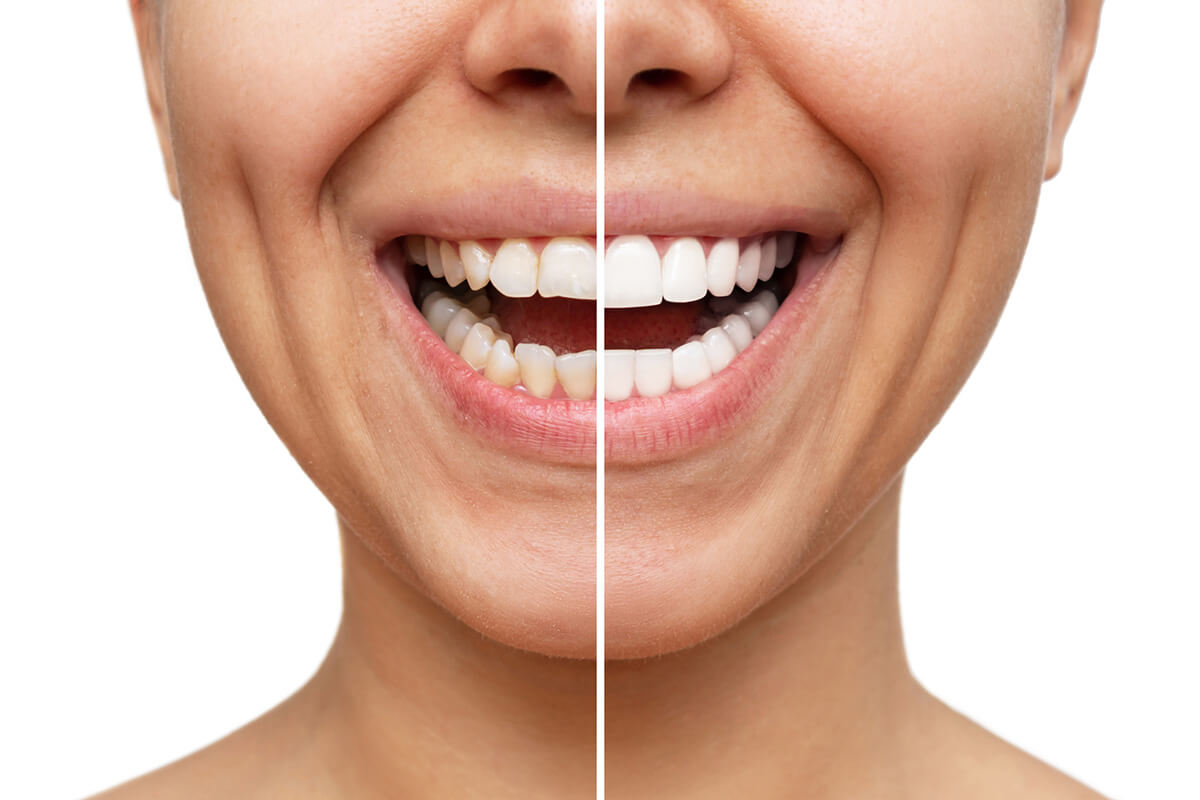
Dental veneers are thin shells—usually made of porcelain or composite resin—that are bonded to the front surface of your teeth. They can correct issues like discoloration, small gaps, chips, and even minor alignment problems.
They sound amazing… until you dig deeper.
7 Reasons Why Veneers May Be Bad for You
1. Irreversible Tooth Enamel Removal
Before veneers are placed, your dentist must shave down your tooth enamel.
According to the Journal of American Dental Association, that enamel does not grow back. Ever.
Once you commit to veneers, you’ll likely need to maintain or replace them for life.
2. Tooth Sensitivity
Removing enamel can expose the more sensitive parts of your teeth.
-
Hot coffee? Ouch.
-
Ice cream? Double ouch.
Some people report long-term sensitivity after getting veneers, especially when their teeth come into contact with extremely hot or cold foods.
3. Risk of Tooth Decay Underneath
Veneers don’t protect your teeth from decay—your real tooth is still under there.
If bacteria gets underneath the veneer, it can cause cavities and even root infections.
4. They Don’t Last Forever
Despite what it may seem, veneers are not permanent.
-
Porcelain veneers last about 10–15 years with good care. (Colgate)
-
You’ll likely need replacements (which means more drilling and more money).
5. High Cost (and Maintenance)
Veneers are expensive—typically $900 to $2,500 per tooth, according to Healthline.
And if one cracks or chips? It’s not like a filling—you may need an entire new veneer.
6. Potential for Gum Irritation or Inflammation
If not placed perfectly, veneers can irritate your gums.
-
You may experience redness, swelling, or even gum recession over time.
-
In some cases, they can trap food and bacteria, increasing the risk of periodontal issues.
7. A “One-Size-Fits-All” Smile
Let’s be honest—veneers can sometimes look too perfect.
-
You risk ending up with an unnatural, uniform look if your dentist doesn’t customize them properly.
-
And trends change. What’s in now might look dated in 10 years.
So… Are Veneers Worth It?
It depends on your goals, but veneers should never be your first option. Explore alternatives like:
-
Professional whitening for discoloration
-
Orthodontics for alignment
-
Bonding for minor chips
And most importantly, get a second opinion before making a permanent decision.
Final Thoughts: Think Twice Before You Veneer
Veneers aren’t inherently evil—but they are a big decision with real consequences. If you’re chasing the perfect smile, ask yourself: “Am I ready to permanently alter healthy teeth for a cosmetic fix?”
Sometimes, your natural smile—flaws and all—is the healthiest one.
At Emergency Dental of Omaha, we don’t offer veneers—but we do care deeply about helping you make informed, healthy choices for your smile. Whether you’re dealing with dental pain, looking to improve your oral health, or exploring alternatives to cosmetic procedures, our team is here to guide you every step of the way.
Book an appointment with us today to get personalized, honest dental care focused on your long-term health. And don’t forget to visit our blog page for expert advice and practical tips on keeping your teeth strong, clean, and naturally beautiful.
Veneers require enamel removal, which can make your teeth more vulnerable to sensitivity and decay if not maintained properly. Veneers don’t ruin your teeth directly, but improper placement or lack of hygiene can cause decay and gum issues beneath them. Yes—depending on your needs, teeth whitening, orthodontics, or bonding might be safer and more conservative options. The procedure is usually painless (thanks to anesthesia), but post-op sensitivity and discomfort are common, especially early on.